
Beauty Technology: The Future of Anti-Aging, Wellness & Skin Health
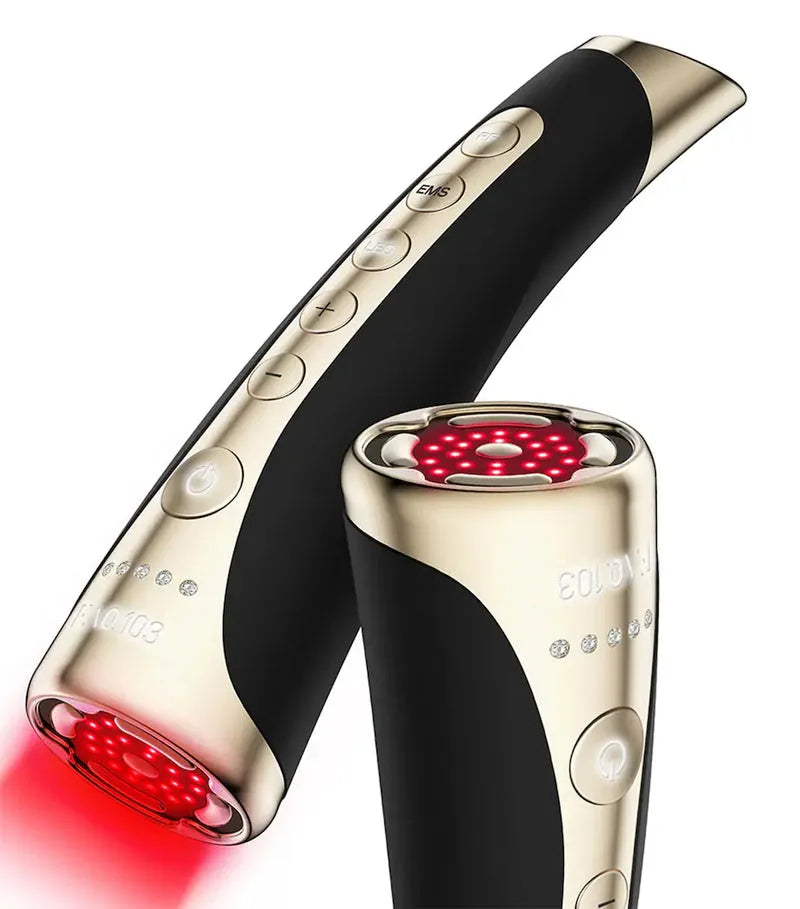
For decades, skincare innovation centred around topical products—serums, creams, treatments, and professional procedures. Today, however, a new era has emerged. Beauty technology is transforming how we approach aging, skin health, recovery, and overall wellness.
From LED light therapy and near-infrared technology to smart skincare devices and wellness-focused biohacking tools, consumers are increasingly looking beyond traditional skincare to support healthier skin from multiple angles.
The future of beauty is no longer just about what you apply to your skin. It's about how technology can help optimize the skin's natural ability to repair, regenerate, and function at its best.

The Rise of Beauty Technology
Beauty technology sits at the intersection of skincare, wellness, and science. Rather than masking visible concerns, many modern devices aim to support the body's natural biological processes.
This shift reflects a broader movement toward longevity and preventative wellness. Instead of waiting for signs of aging to appear, consumers are investing in tools designed to help maintain healthy skin, support collagen production, improve recovery, and reduce inflammation before concerns become more pronounced.
As research continues to evolve, light-based therapies have become some of the most talked-about technologies in the beauty and wellness space.
Understanding LED Light Therapy
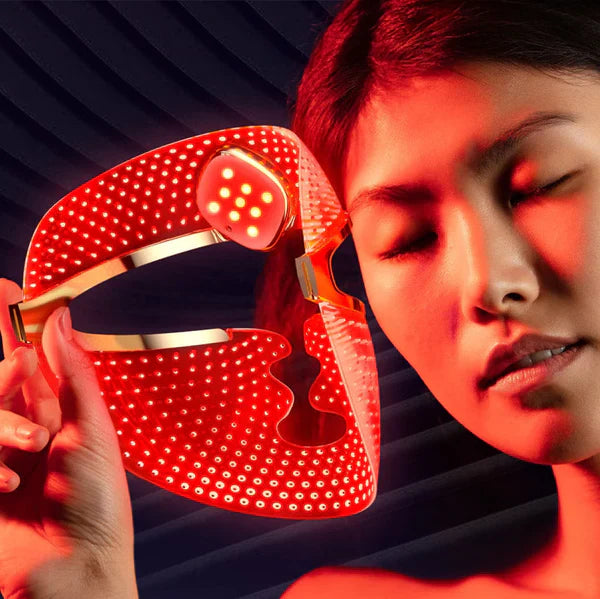
LED (Light Emitting Diode) therapy uses specific wavelengths of light to interact with skin cells.
Different colours of light penetrate the skin at different depths and are believed to produce different biological responses. Research into photobiomodulation—the process by which light influences cellular activity—suggests certain wavelengths may help support skin health, healing, and inflammation management.
While LED therapy has long been used in professional dermatology and aesthetic clinics, at-home devices have become increasingly popular as technology has advanced.
Red Light Therapy: Supporting Skin Longevity
Red light therapy has become one of the most discussed anti-aging technologies in recent years.
Research suggests red wavelengths may help stimulate cellular energy production within mitochondria, often referred to as the "powerhouses" of cells. This increased cellular activity is believed to support collagen production, tissue repair, and overall skin rejuvenation.
Because collagen and elastin naturally decline with age, technologies that support the skin's regenerative processes have become increasingly attractive to those seeking non-invasive approaches to healthy aging.
Many users report improvements in:
- Fine lines and wrinkles
- Skin firmness
- Texture and smoothness
- Overall radiance
- Post-treatment recovery
It's important to note that results are generally gradual and require consistent use over time.
Near-Infrared Light: The Next Generation of Wellness Technology
While red light often receives the most attention, many experts believe near-infrared light may represent the next frontier in beauty and wellness technology.
Near-infrared wavelengths penetrate deeper than visible red light and are being studied for their potential role in cellular repair, inflammation management, circulation, recovery, and healthy aging. Research into photobiomodulation continues to expand across both dermatology and broader wellness applications.
As interest in longevity grows, near-infrared technology is increasingly appearing in wellness clinics, recovery centres, and advanced home devices.
Blue Light Therapy and Acne Support
While red and near-infrared light are often associated with anti-aging, blue light therapy is commonly used for acne-prone skin.
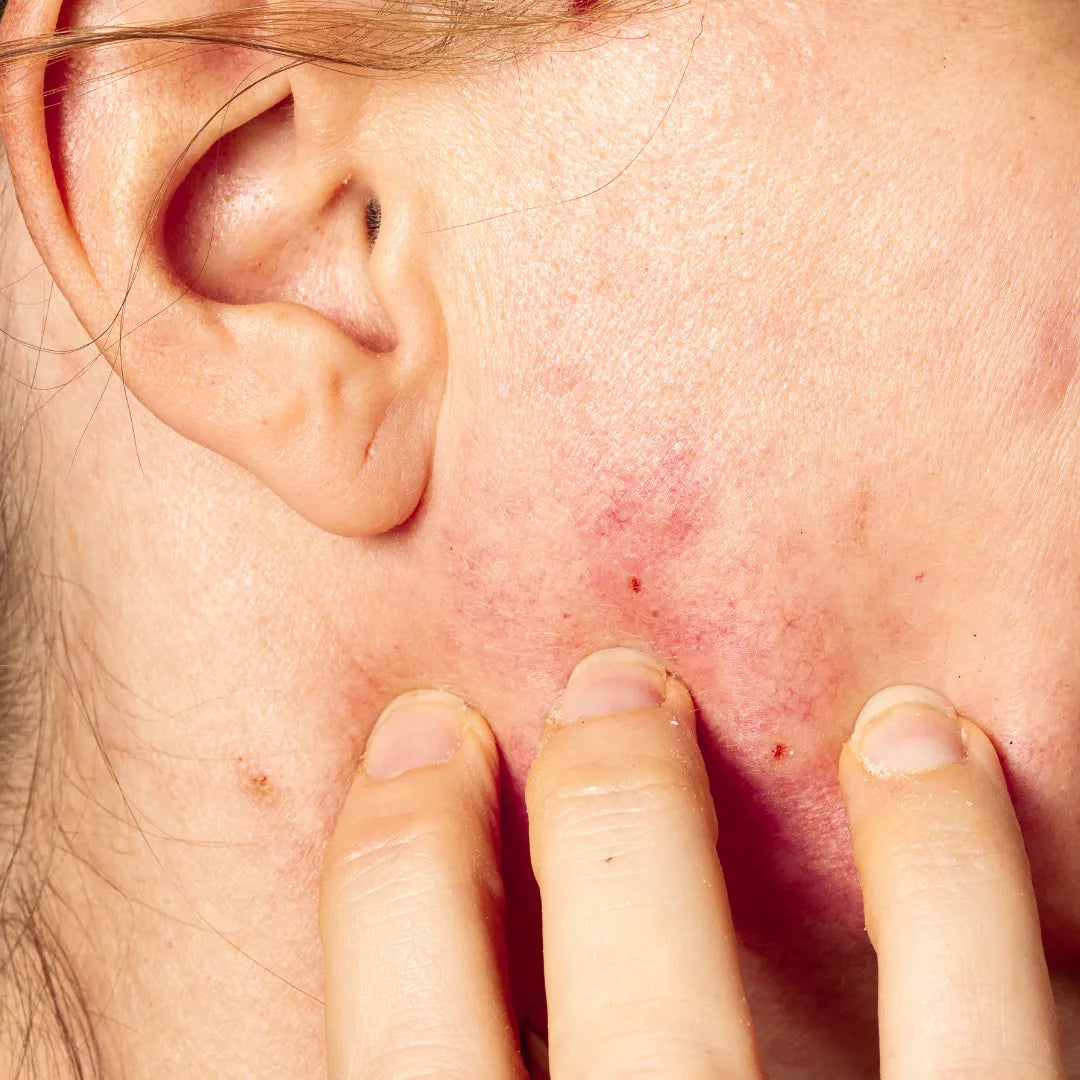
Blue light targets acne-causing bacteria and has been investigated as a non-antibiotic treatment option for mild to moderate acne. Multiple reviews have found evidence suggesting blue light may improve acne symptoms, although researchers also note that study quality varies and further research is still needed.
For individuals dealing with congestion and breakouts, blue light therapy has become one of the most widely recognized technology-based skincare treatments.

Why Beauty Is Becoming More Wellness-Focused
One of the most significant shifts happening in the industry is the merging of beauty and wellness.
Consumers increasingly understand that skin health is influenced by:
- Sleep quality
- Stress management
- Inflammation
- Nutrition
- Recovery
- Hormonal balance
- Cellular health
As a result, technologies that support overall wellness are becoming part of modern beauty routines.
The conversation is moving beyond simply treating wrinkles or blemishes. Instead, the focus is shifting toward supporting the biological systems that contribute to healthy, resilient skin over time.
The Future of Skincare Is Multi-Dimensional
No device, treatment, or skincare product can replace the fundamentals of healthy skin. Daily sun protection, quality skincare, proper hydration, nutrition, and lifestyle habits remain essential. However, beauty technology is introducing new ways to complement these foundations.
LED therapy, near-infrared light, and other emerging wellness technologies represent a growing category focused on supporting the skin's natural processes rather than simply covering up visible concerns.
While research continues to evolve, one thing is clear: the future of beauty is becoming increasingly personalized, preventative, and technology-driven.
At Smukke House, we believe the next generation of skincare will blend high-performance formulations, evidence-based wellness practices, and innovative technologies to support healthy, radiant skin at every age.

Comments