
Red Light Therapy Benefits for Skin: What the Research Says
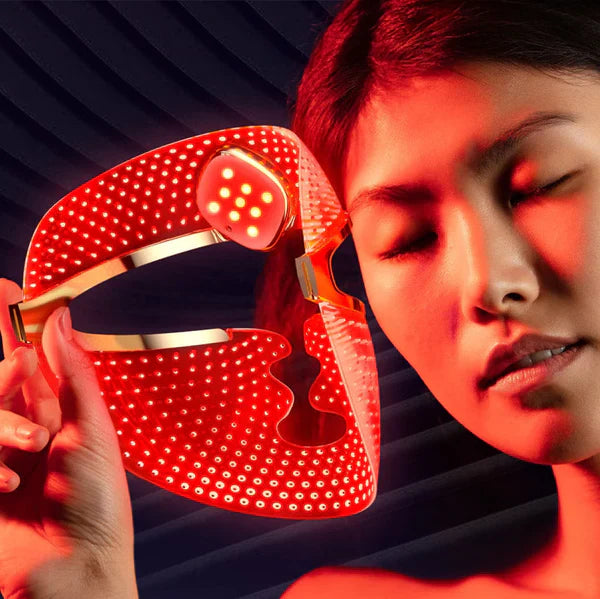
Red light therapy has quietly moved from clinical dermatology spaces into the heart of modern beauty culture. Once considered a niche treatment used in medical recovery settings, it is now one of the most talked-about beauty technologies for skin health, anti-aging, and overall wellness.
At its core, red light therapy is part of a broader field called photobiomodulation, a process where specific wavelengths of light interact with skin cells to influence biological activity. Unlike invasive procedures or topical treatments, it works by supporting the skin’s own natural processes.
As interest in longevity and preventative skincare grows, red light therapy has become a cornerstone of the “future of beauty” conversation.
What Is Red Light Therapy?
Red light therapy typically uses wavelengths in the range of approximately 630–660 nm. These wavelengths penetrate the skin at a superficial to mid-level depth, where they interact with cellular structures, particularly mitochondria.
Mitochondria are responsible for producing cellular energy (ATP), which is essential for repair, regeneration, and overall cellular function. The theory behind red light therapy is that by stimulating mitochondrial activity, skin cells may function more efficiently.
Research in photobiomodulation suggests that this process may influence:
- Collagen production
- Inflammation response
- Skin repair mechanisms
- Circulation and tissue oxygenation
A widely cited review published in Seminars in Cutaneous Medicine and Surgery explores these mechanisms in detail and highlights its potential role in dermatology and wound healing. PubMed: Low-level laser (light) therapy in skin

Collagen, Aging, and Skin Structure
One of the most discussed benefits of red light therapy is its potential relationship with collagen production.
Collagen is a structural protein responsible for skin firmness, elasticity, and resilience. As we age, collagen production naturally declines, contributing to the appearance of fine lines, wrinkles, and loss of skin density.
Several studies suggest that red and near-infrared light exposure may support fibroblast activity—the cells responsible for producing collagen and extracellular matrix components.
A review by Calderhead and Vasily discusses the application of low-level light therapy for facial rejuvenation and its potential role in improving skin texture over time. PubMed: Low level light therapy for aging face
While results vary between individuals and device types, research consistently points toward gradual improvements in skin appearance with consistent use.
Inflammation and Skin Recovery
Another key area of interest is inflammation modulation.
Chronic low-grade inflammation is increasingly recognized as a contributing factor in skin aging and conditions such as redness, irritation, and uneven texture.
Photobiomodulation has been studied for its potential anti-inflammatory effects, particularly in dermatological and wound-healing contexts.
A review by Hamblin outlines how light therapy may influence inflammatory pathways and oxidative stress responses in cells, which may contribute to improved healing environments in the skin. PubMed: Anti-inflammatory effects of photobiomodulation
This has made red light therapy especially popular among individuals recovering from procedures or dealing with sensitive or reactive skin.

Skin Rejuvenation and Clinical Research
The broader body of research on low-level light therapy continues to expand, with multiple clinical and experimental studies exploring its effects on skin rejuvenation.
A comprehensive review of low-level laser therapy highlights its potential applications in dermatology, including improvements in skin texture, wound healing, and overall skin quality. PubMed: Photobiomodulation in clinical applications
It is important to note that while findings are promising, photobiomodulation is not a replacement for medical treatments. Instead, it is best understood as a supportive wellness and skincare technology that may complement existing routines.
Red Light Therapy in Modern Beauty Culture
The rise of at-home devices has significantly changed how people engage with red light therapy. What was once only available in clinical settings is now part of modern self-care routines focused on longevity, recovery, and preventative skin health.
This shift reflects a broader cultural movement:
- From reactive skincare → to preventative skin health
- From surface-level beauty → to cellular wellness
- From treatment-based routines → to daily optimization rituals
In this context, red light therapy sits at the intersection of beauty, wellness, and bio-optimization.

What the Research Still Doesn’t Confirm
While the existing body of evidence is promising, it is important to remain scientifically grounded.
Current limitations in research include:
- Variability in device quality and wavelengths
- Differences in treatment duration and protocols
- Limited long-term, large-scale human studies for cosmetic outcomes
As a result, outcomes may vary, and red light therapy should be viewed as a supportive tool rather than a guaranteed solution.
The Future of Light-Based Skincare
As interest in longevity science continues to grow, red light therapy is likely to remain a key area of innovation within beauty technology.
Future research is expected to focus on:
- Optimizing wavelengths for specific skin concerns
- Combination therapies (light + topical + lifestyle)
- Personalized treatment protocols
- Integration with broader wellness and recovery systems
The evolution of skincare is moving beyond topical products alone and into a more holistic understanding of skin as a living, responsive organ influenced by energy, environment, and cellular health.
Where Beauty Meets Innovation
Red light therapy represents a shift in how we think about skincare. Rather than simply treating visible concerns, it reflects a growing interest in supporting the biological systems that maintain skin health over time.
While research is still evolving, photobiomodulation remains one of the most scientifically studied and widely adopted beauty technologies in the modern wellness landscape.
At Smukke House, this aligns with a broader philosophy: skincare is not just about appearance—it is about supporting skin vitality, resilience, and long-term health.

References
- Avci, P. et al. (2013). Low-level laser (light) therapy in skin. Seminars in Cutaneous Medicine and Surgery
- Calderhead, R.G., Vasily, D.B. Low level light therapy for aging face
- Hamblin, M.R. Anti-inflammatory mechanisms of photobiomodulation
- Glass, G.E. Photobiomodulation clinical applications review

Comments