
Why Your Face Looks Tired (Even When You're Getting Enough Sleep)
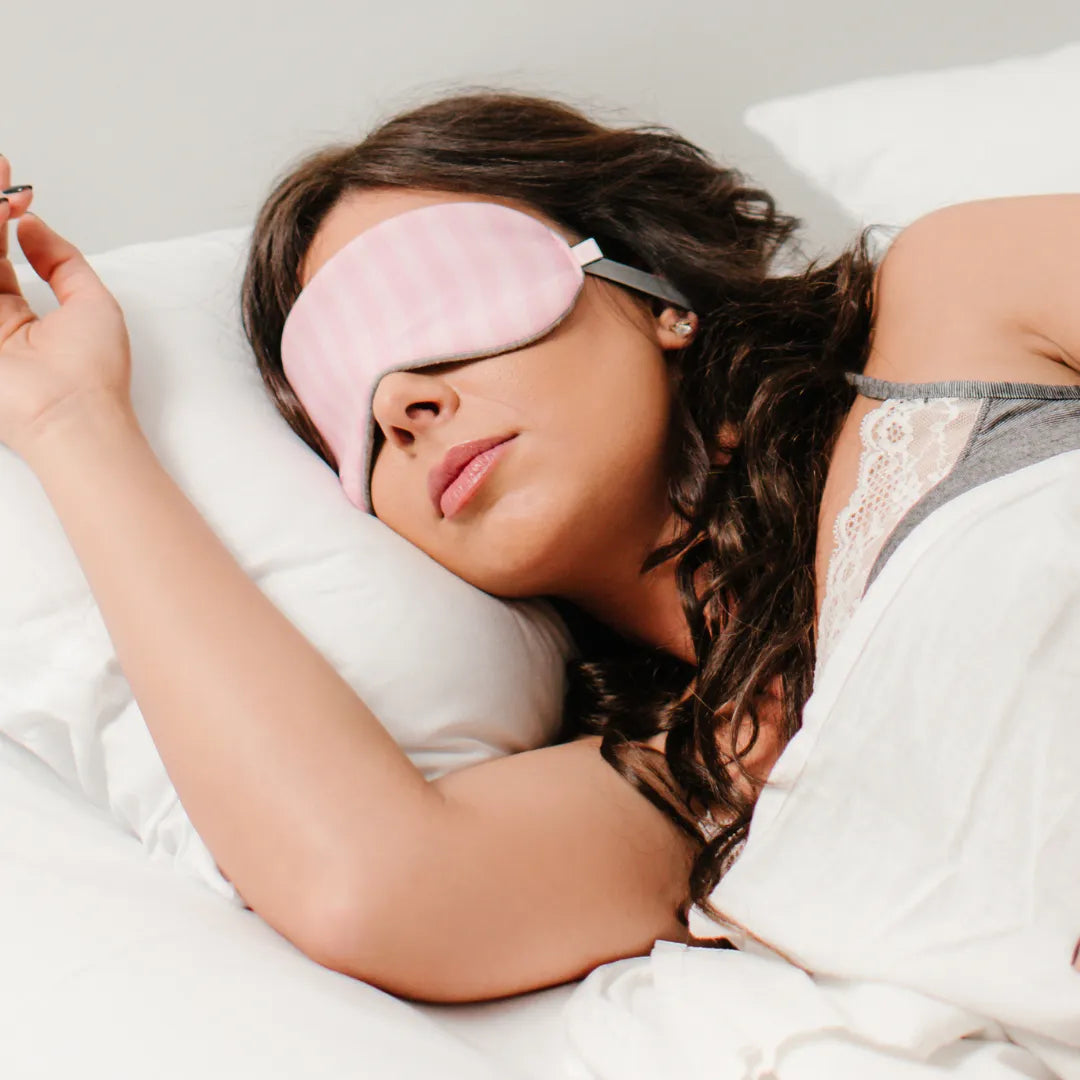
You're sleeping eight hours, drinking water, and doing "all the right things." So why does your skin still look tired?
We've all had mornings where the mirror tells a different story than how we actually feel. Skin can appear dull, flat, puffy, or simply lack that healthy glow, even after a full night's sleep.
The truth? Looking tired isn't always about being tired. A combination of collagen loss, dehydration, inflammation, sun damage, slower cell turnover, and even your skincare routine can all contribute to skin that looks fatigued. The good news is that many of these factors are completely manageable with the right approach. Let's break down what's really happening.
1. Your Skin Is Dehydrated (Not Necessarily Dry)
One of the fastest ways skin loses its healthy, radiant appearance is through dehydration. Unlike dry skin, which lacks oil, dehydrated skin lacks water. This can happen regardless of your skin type, even if you're naturally oily.
Signs include:
- Fine lines becoming more noticeable
- Tightness after cleansing
- Makeup sitting unevenly
- Dull complexion
- Loss of bounce
When skin cells don't hold enough water, light doesn't reflect evenly from the surface, making your complexion appear flat and tired.
What helps:
- Hyaluronic acid
- Polyglutamic acid
- Ceramides
- Barrier-supporting moisturizers
- Drinking enough water (although topical hydration matters just as much)

2. Collagen Naturally Declines
Beginning in our mid-20s, collagen production slowly decreases each year. Collagen gives skin its firmness, bounce, and youthful structure. As those levels decline, skin begins to look thinner, softer, and less vibrant. This isn't something that happens overnight but over time it creates the "I just look tired" effect many people notice before actual wrinkles appear.
Look for ingredients such as:
These support collagen production and healthier-looking skin over time.
3. Your Skin Barrier Needs Attention
Healthy skin has a strong protective barrier that locks in moisture and keeps irritants out.
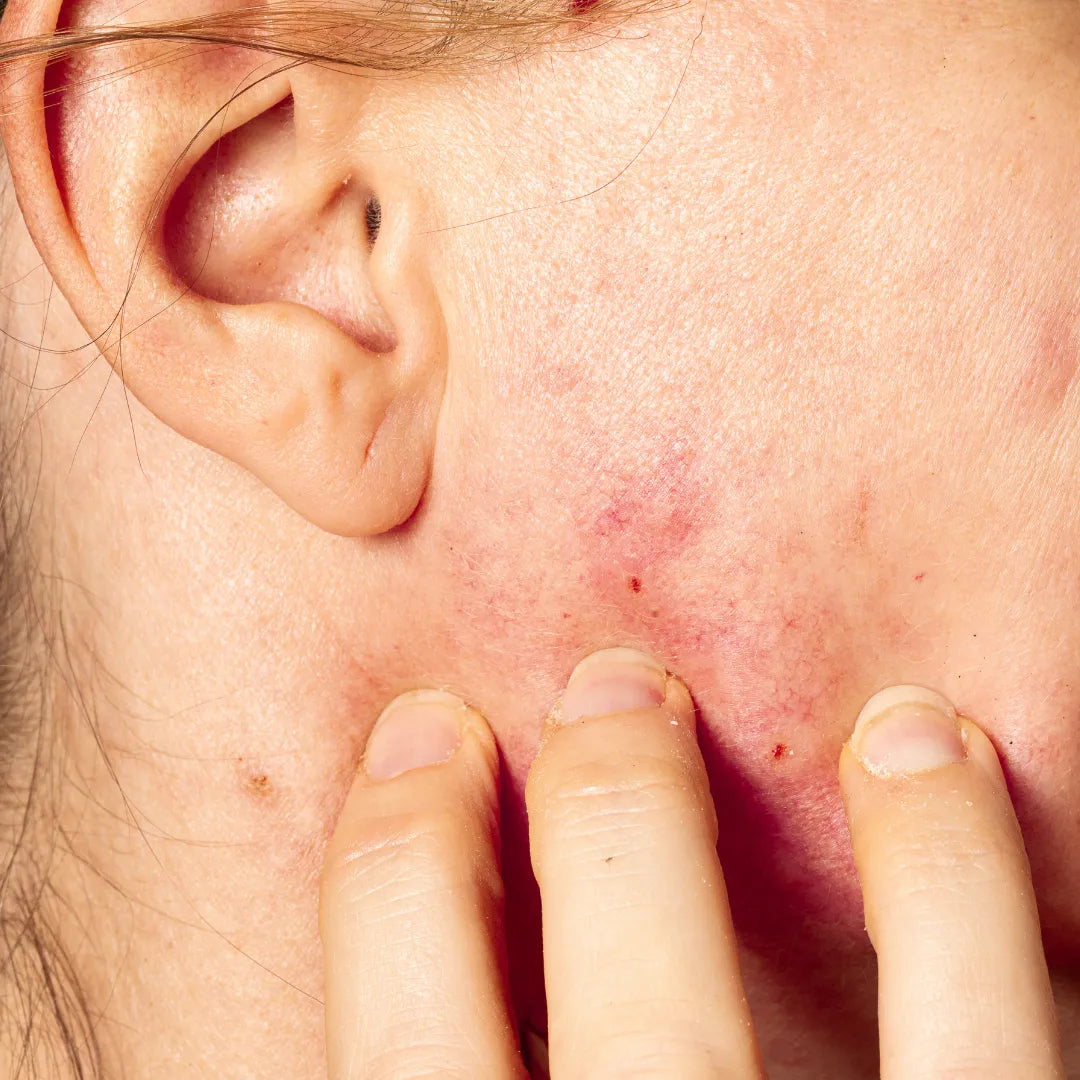
When that barrier becomes compromised from over-exfoliation, harsh cleansers, weather changes, or too many active ingredients, skin often looks:
- Red
- Dull
- Rough
- Sensitive
- Tired
Ironically, trying too many products in pursuit of glowing skin can often make things worse. Sometimes the best routine is actually a simpler one.
4. Sun Damage Builds Slowly
You don't need a sunburn to experience sun damage.
Even small amounts of daily UV exposure contribute to:
- Uneven skin tone
- Pigmentation
- Broken capillaries
- Collagen breakdown
- Loss of elasticity
These changes gradually make skin appear older and more fatigued. Daily broad-spectrum SPF remains one of the most effective anti-aging products you can use.
5. Inflammation Ages Skin Faster
Chronic, low-grade inflammation, sometimes referred to as inflammaging, can quietly accelerate visible skin aging.
It may be triggered by:
- Stress
- Poor sleep
- UV exposure
- Pollution
- Smoking
- Excess sugar
- An impaired skin barrier
Inflammation increases oxidative stress, which damages collagen, elastin, and healthy skin cells. Supporting the skin with antioxidants, calming ingredients, and proper recovery can help reduce its visible effects.

6. Cell Turnover Slows With Age
Young skin naturally renews itself every few weeks. As we age, this process slows considerably.
Dead skin cells remain on the surface longer, leading to:
- Dullness
- Rough texture
- Less radiance
- Uneven tone
Regular but gentle exfoliation encourages fresh skin cells to reach the surface. Ingredients like lactic acid, mandelic acid, and retinoids can help improve cell turnover without over-stripping the skin when used correctly.
7. Your Eyes May Be Creating the "Tired" Look
The delicate skin around the eyes is often the first place to show signs of aging and fatigue. Dark circles, puffiness, fine lines, and thinning skin can all make your entire face appear more exhausted.
Helpful ingredients include:
- Peptides
- Caffeine
- Growth factors
- Hyaluronic acid
- Antioxidants
Consistent eye care can make a surprisingly noticeable difference.
8. You're Missing One Powerful Step: Light
One of the biggest advances in at-home skincare is LED light therapy.
Clinical studies have shown that specific wavelengths of light can help support:
- Collagen production
- Skin healing
- Reduced inflammation
- Improved skin tone
- Overall radiance
Unlike many skincare trends, quality LED devices are backed by decades of research and have become an excellent complement to a consistent skincare routine.

Healthy Skin is the Goal
Looking tired isn't always about sleep. Often, it's your skin asking for hydration, repair, collagen support, or better protection from everyday stressors. The goal isn't perfection, it's healthier, stronger skin that reflects light beautifully and functions at its best. Small, consistent changes usually produce the most noticeable long-term improvements.
At Smukke House, we believe healthy-looking skin comes from combining evidence-based skincare with luxurious rituals you'll actually enjoy. Whether you're looking to strengthen your skin barrier, support collagen, brighten dullness, or invest in advanced beauty technology, choosing clinically backed products can help restore the fresh, radiant look that makes you feel like yourself again.

Comments