
Oily Skin vs Acne-Prone Skin: What’s the Difference?
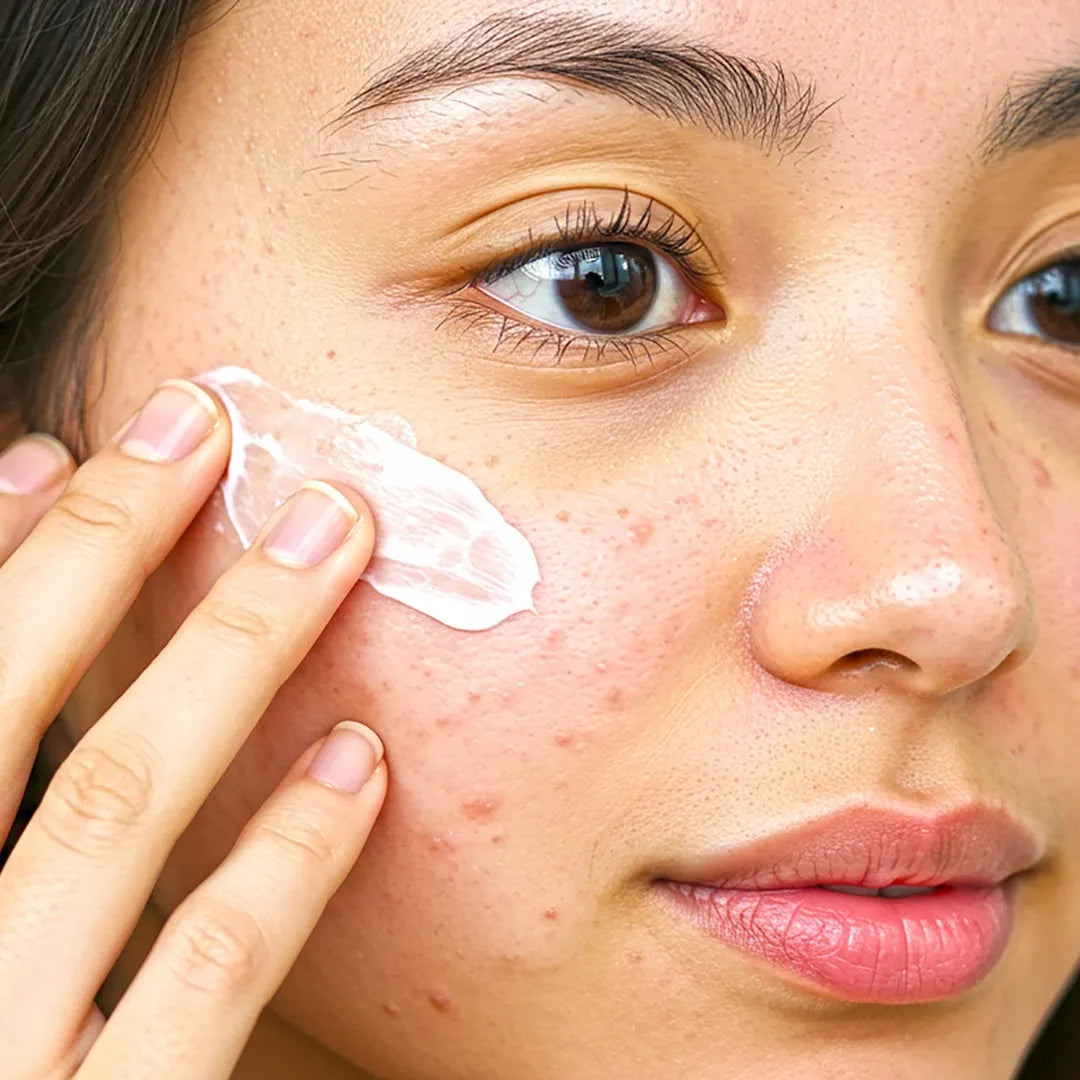
Oily skin and acne-prone skin are often confused, but they are not the same.
Understanding the difference is key to choosing the right skincare and avoiding products that can make breakouts worse.
What is oily skin?
Oily skin is a skin type caused by increased sebum production. It typically appears as:
- shine throughout the day
- enlarged pores
- makeup breaking down quickly
- oil concentrated in the T-zone
Oily skin does not always mean acne-prone skin. For persistent oiliness and congestion, you may also explore 👉 Oily Skin Skincare Collection.

What is acne-prone skin?
Acne-prone skin is a skin condition characterized by:
- frequent breakouts
- clogged pores or congestion
- inflammation or redness
- hormonal or stress-related flare-ups
You can have acne-prone skin even if it is not very oily.
Can you have both?
Yes, and this is very common.
Many people experience:
- oily + acne-prone skin
- combination + acne-prone skin
- even dry + acne-prone breakouts
This is why treating skin based only on “oil level” often doesn’t work.
What actually works for both
Instead of focusing only on oil reduction, the most effective approach is:
- balancing oil production gently
- supporting the skin barrier
- reducing inflammation
- avoiding over-exfoliation
- using consistent, non-irritating skincare
Skin improves when it is supported, not stripped.

Key takeaway
Oily skin needs balance. Acne-prone skin needs calm and barrier support. Treating both correctly leads to clearer, more stable skin over time.
Recommended skincare
Explore curated skincare designed for acne-prone, oily, and combination skin:
👉 Acne Support Skincare Canada Collection

Comments